剧照
Film Stills
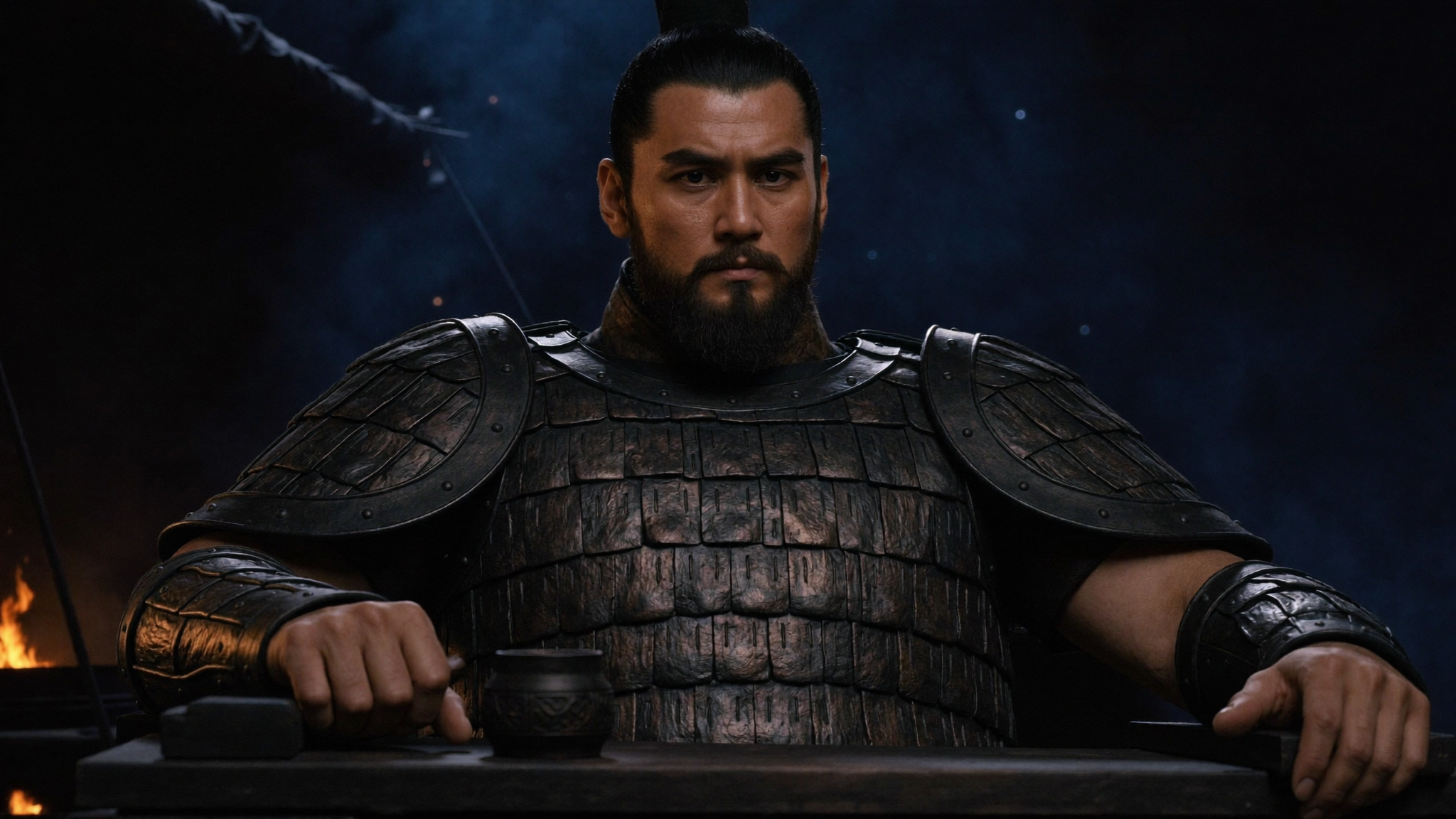
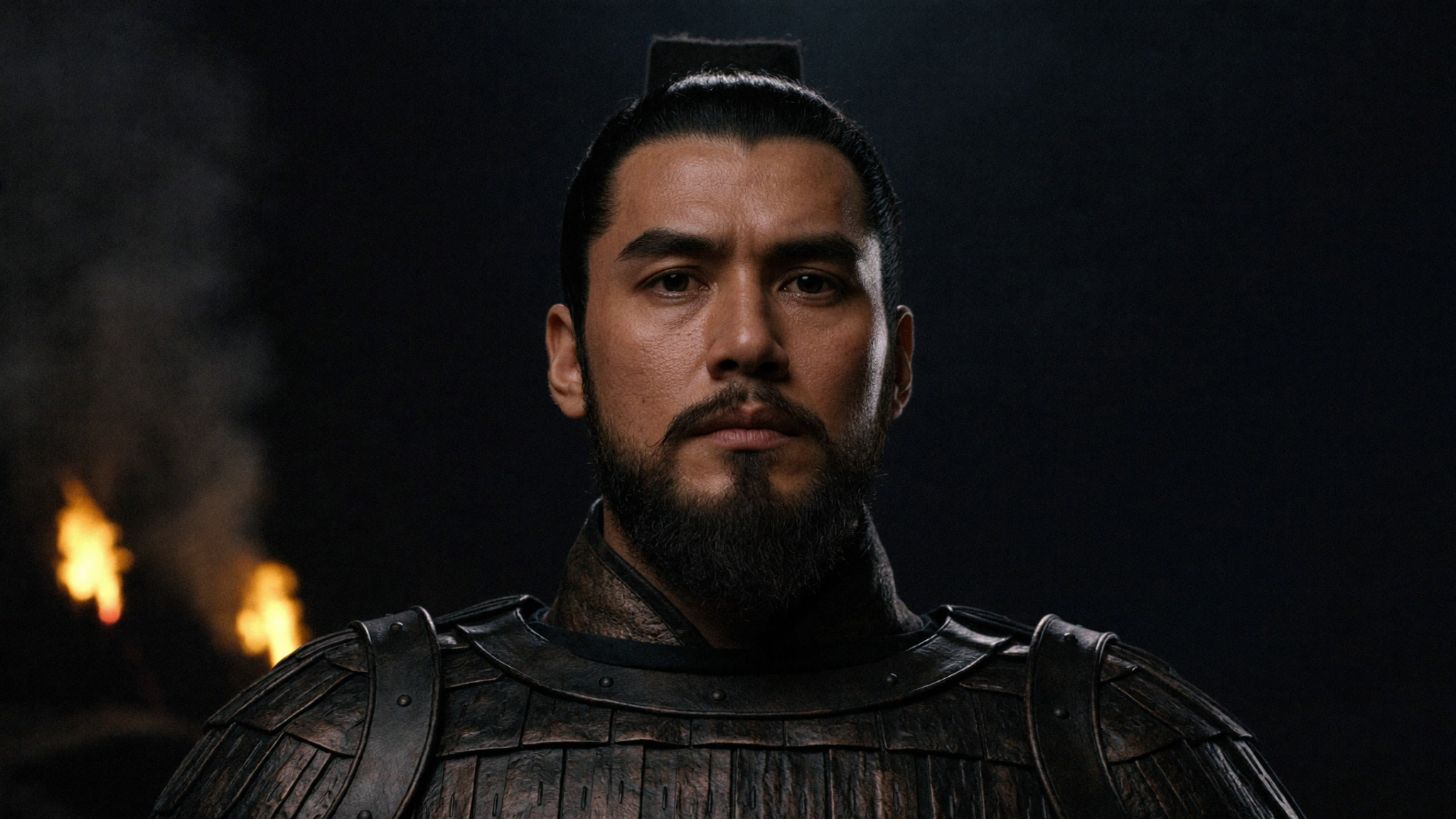
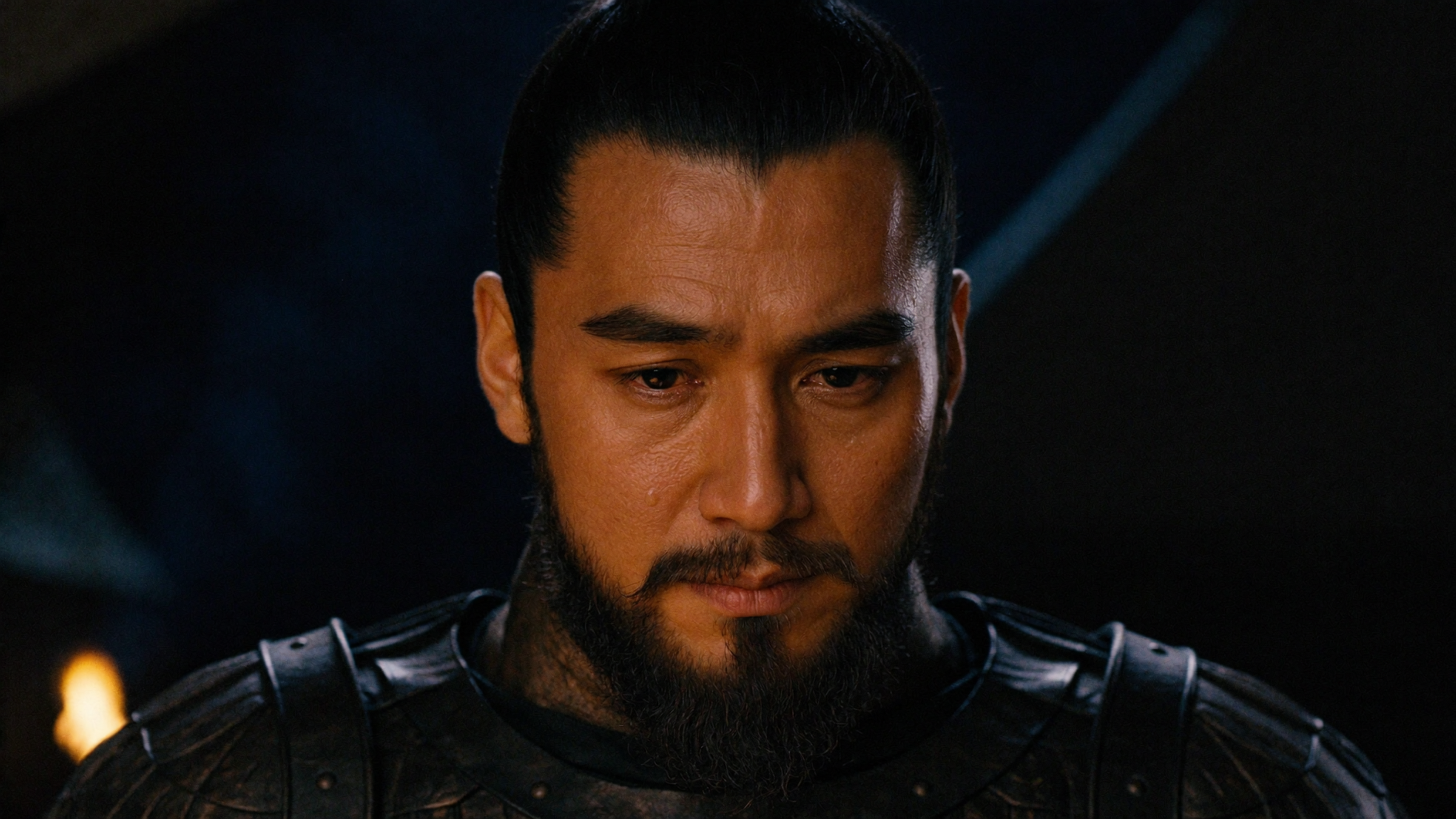
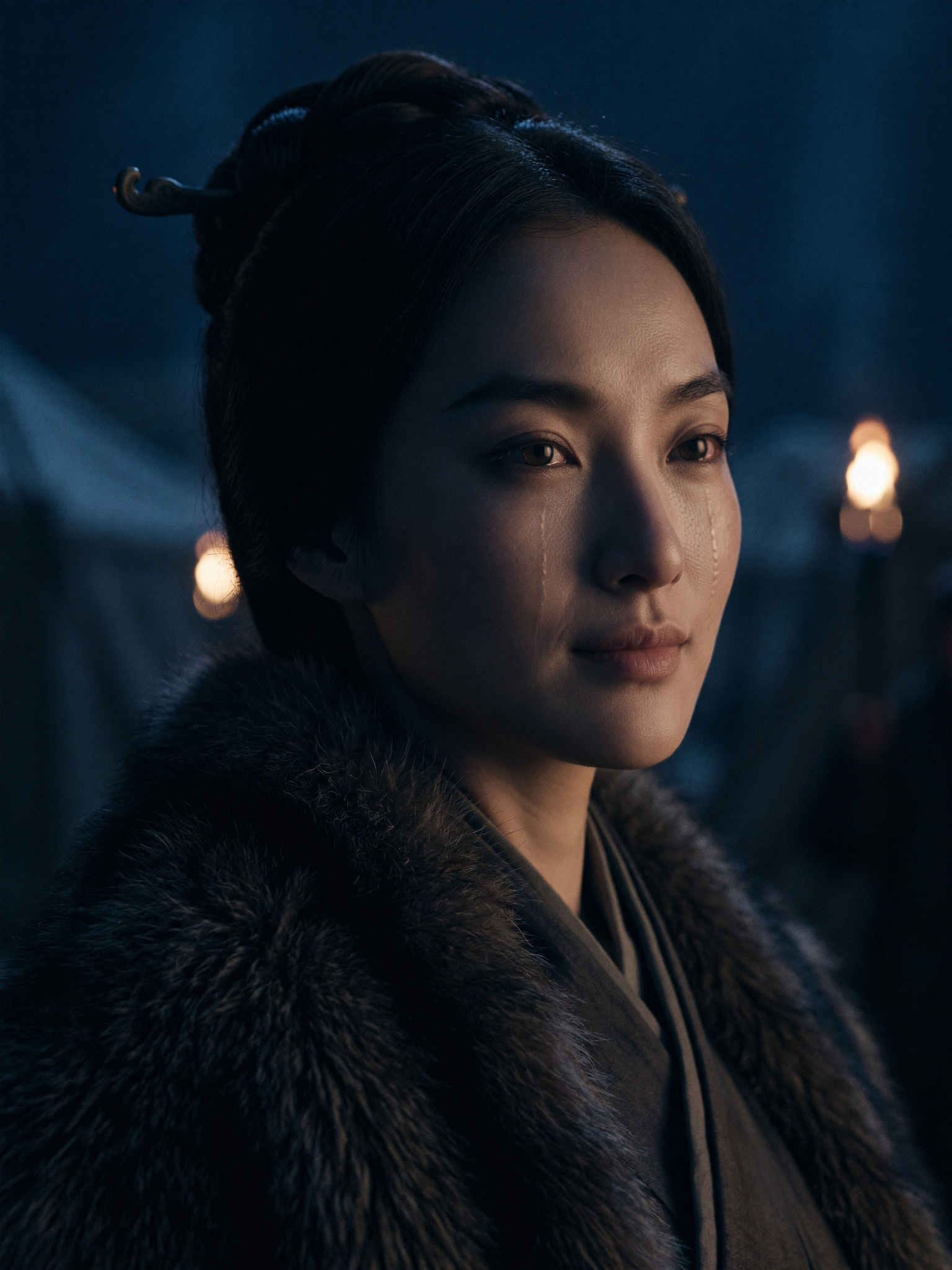
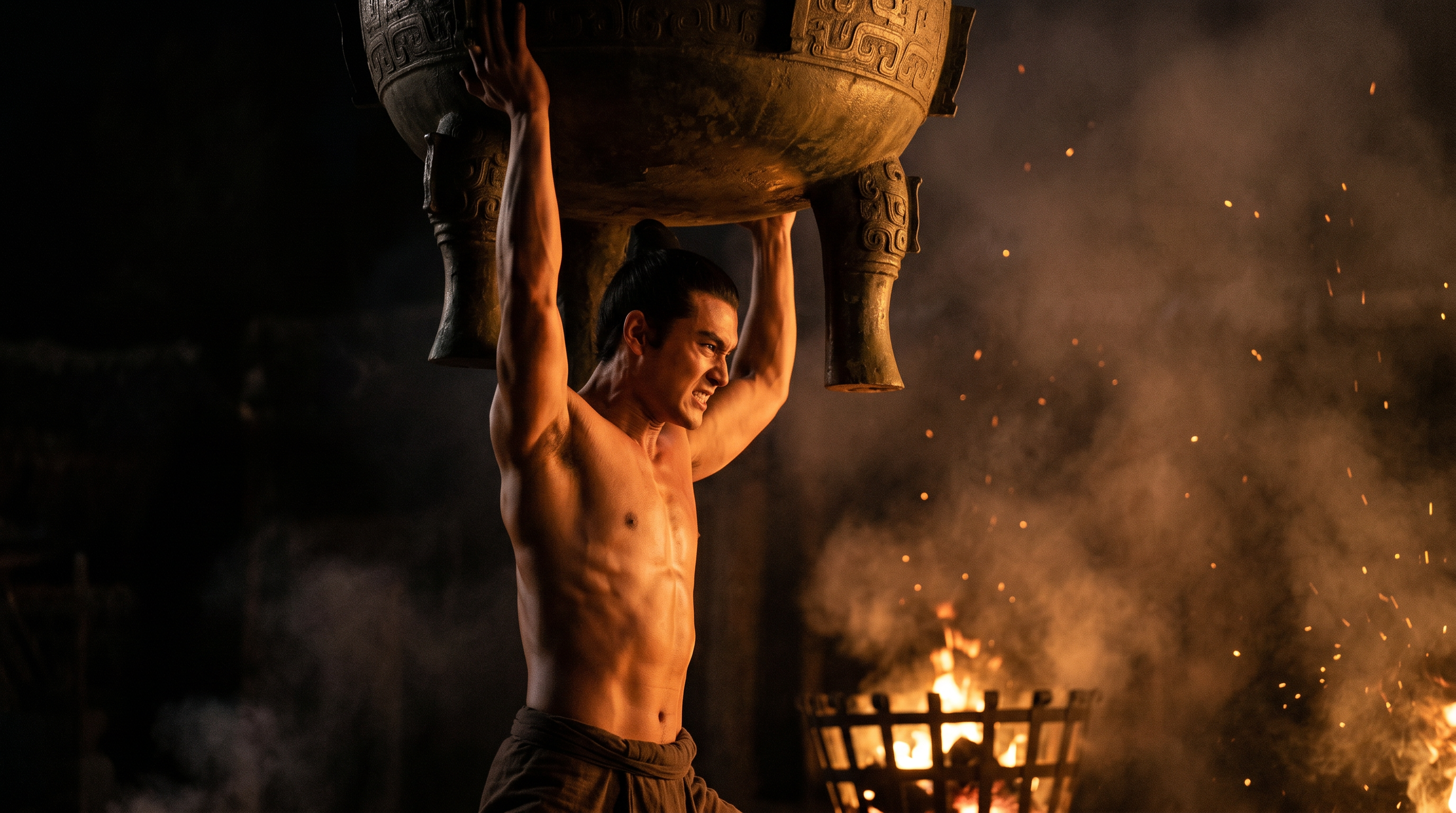
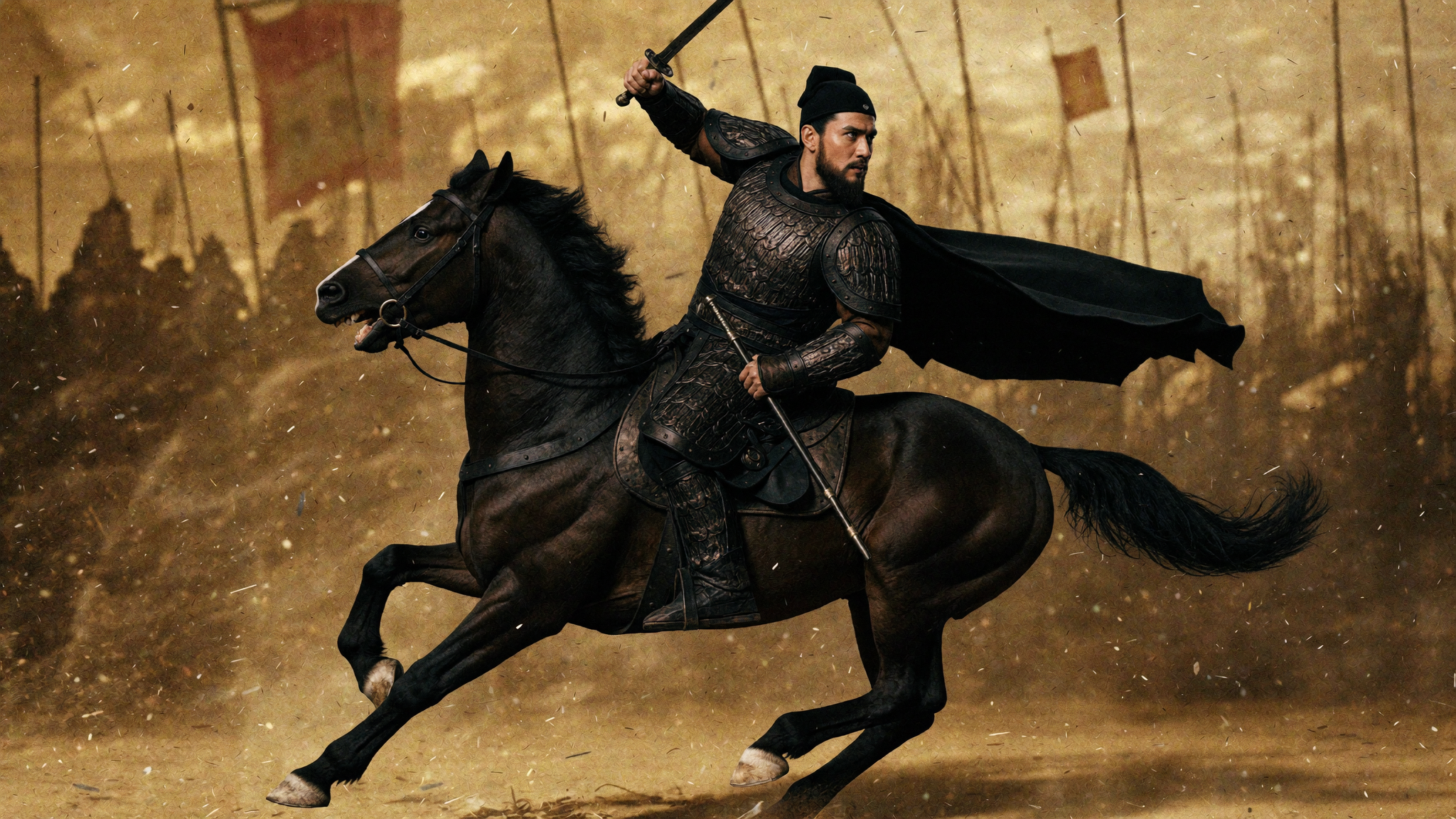
本片视觉与音乐均为AI生成、人工执导。重新诠释,而非重现。
Visuals and music are AI-generated under human direction — an interpretation, not a reconstruction.
项羽 ·《垓下歌》· 公元前202年冬
The Conqueror's Last Song — Xiang Yu and the Song of Gaixia, winter 202 BCE.
项羽(公元前232–202年),秦末西楚霸王。巨鹿一战,破釜沉舟,以数万之众击溃秦军主力,威震天下。然而楚汉相争五年,终至垓下——汉军重重围困,夜半四面皆是楚地歌声。
《史记》记载,那一夜项羽帐中饮酒,慷慨悲歌,唱出了他一生中唯一留下的诗。歌数阕,美人虞姬和之。项王泣数行下,左右皆泣,莫能仰视。
次日,项羽突围至乌江,自刎而死,年三十一。一句「力拔山兮气盖世」,两千余年后依然是中文世界里英雄末路的绝响。
Recorded in Sima Qian's Records of the Grand Historian, the Song of Gaixia is the only poem Xiang Yu ever left behind — sung in his tent on the night the Han armies closed in, with songs of his homeland Chu rising from every direction. The next day he died at the Wu River, thirty-one years old. His opening line remains, two millennia later, the definitive Chinese cry of a hero at the end of his road.
本片视觉与音乐均为AI生成、人工执导。重新诠释,而非重现。
Visuals and music are AI-generated under human direction — an interpretation, not a reconstruction.